Roof Inspection Cost in Newton, MA
Transparent Roof Inspection Cost Pricing for Newton, MA Homeowners — Free Estimates
Learn about roof inspection costs in Newton, MA—ranging from $150–$1,500. Newton Roofing Solutions provides expert inspections across all Newton neighborhoods. Call (617) 249-7118.
Understanding the roof inspection cost in Newton, MA is the first step toward protecting one of your most valuable assets. A professional roof inspection is a systematic, top-to-bottom evaluation of your roofing system — examining shingles, flashing, gutters, underlayment, decking, and ventilation — to identify existing damage and catch developing problems before they become expensive emergencies.
Newton’s unique combination of century-old Victorian and Colonial homes, harsh New England winters, and the freeze-thaw cycles that define Greater Boston’s climate create roofing challenges that are genuinely distinct from other Massachusetts communities. Local contractors who understand the specific demands of Newton’s housing stock, neighborhood elevation changes, and tree canopy density bring a level of insight that out-of-area inspectors simply cannot match.
Read moreShow less
At Newton Roofing Solutions, we provide thorough, transparent roof inspections across Newton and the surrounding communities — giving homeowners and commercial property owners the clear, actionable information they need to make confident decisions. Call us today at (617) 249-7118 to schedule your inspection.
Understanding Roof Inspection Costs in Newton, MA
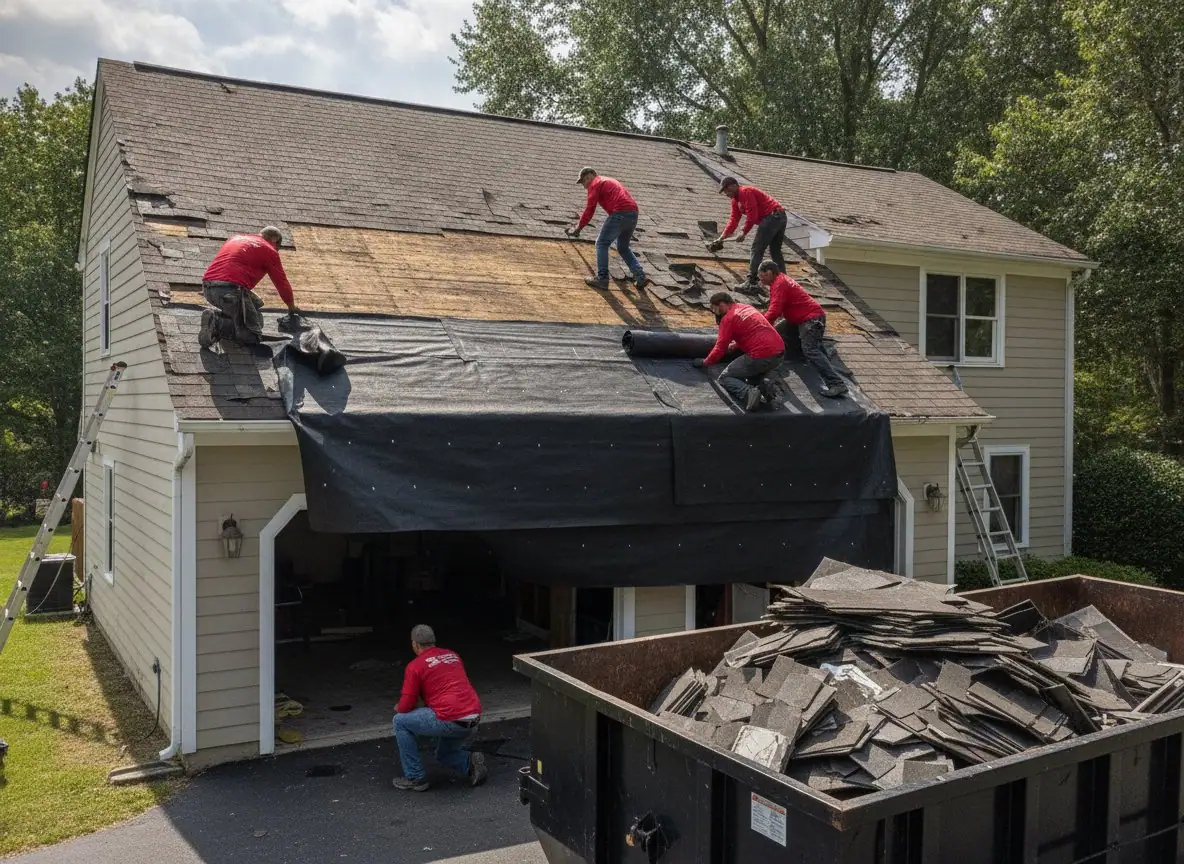
A roof inspection is far more than a quick visual scan from the driveway. It is a structured, methodical process in which a qualified roofing professional physically accesses and evaluates every component of the roofing system. The goal is to determine the current condition of the roof, estimate its remaining service life, identify any areas of active or imminent failure, and provide the property owner with a documented report they can use for insurance claims, real estate transactions, or planned maintenance budgeting.
Historically, roof inspections in Newton were informal affairs — a contractor would climb a ladder, look around, and offer a verbal opinion. Today, the standard has changed dramatically. Modern inspections in Massachusetts incorporate drone-assisted aerial photography, infrared moisture scanning, and detailed written reports with photographs, giving property owners documentation that meets the requirements of insurance carriers and real estate attorneys alike.
Read moreShow less
Newton’s housing stock adds meaningful complexity to roof inspections. The city’s architecture spans more than 150 years of construction history. Chestnut Hill’s grand early-20th-century estates feature steeply pitched slate and clay tile roofs requiring specialized inspection protocols. The triple-deckers and two-family homes concentrated along Watertown Street and in the Newtonville neighborhood typically carry architectural asphalt shingles installed over multiple layers of older roofing material — a condition that significantly affects both inspection methodology and cost estimates. Newton’s many mid-century ranch homes in areas like Waban and Newton Highlands present their own challenges, particularly around low-slope roof sections prone to ponding water.
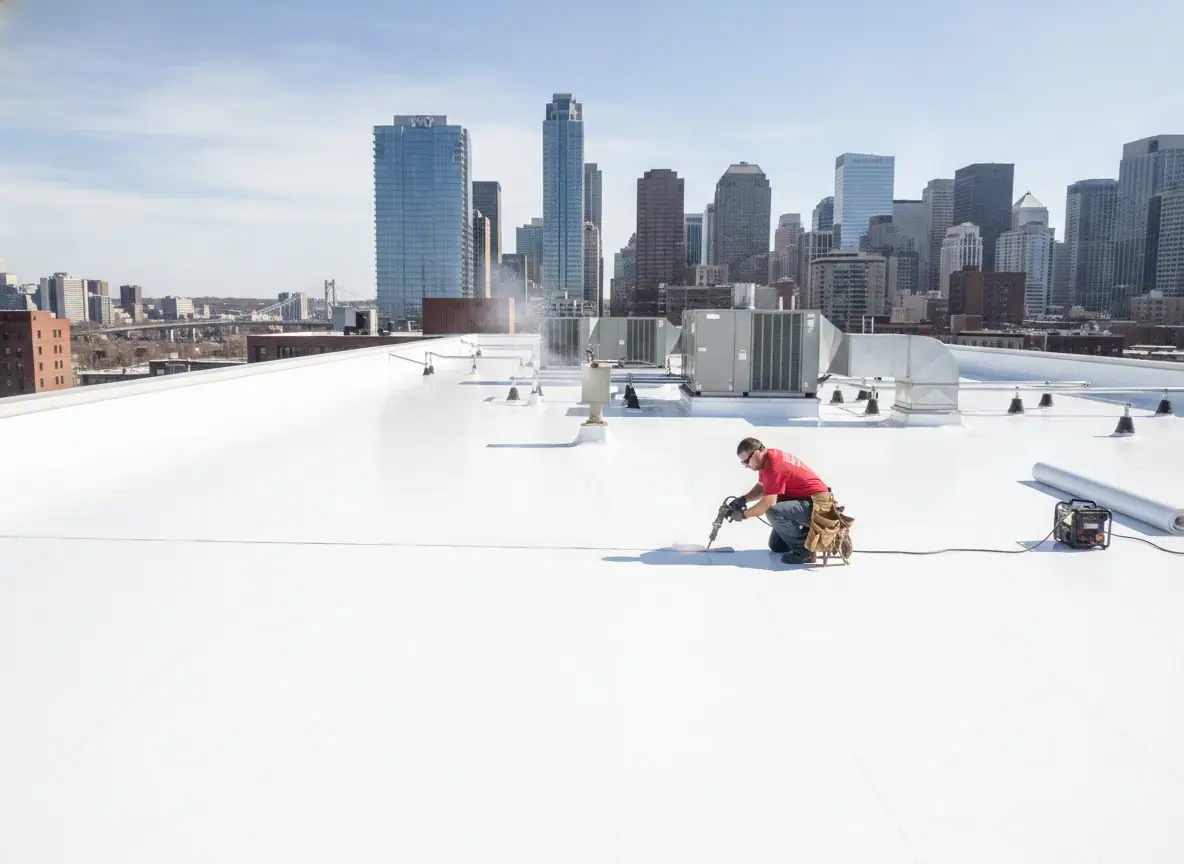
Newton is also home to a substantial inventory of commercial and mixed-use buildings, particularly in the Newton Centre and West Newton commercial districts. Flat and low-slope TPO, EPDM, and built-up roofing systems on these structures require inspection approaches that differ entirely from residential sloped roof protocols. Understanding which inspection method applies to which building type — and pricing accordingly — is a hallmark of an experienced Newton roofing contractor.
Regular inspections, typically recommended every one to three years and always after severe weather events, are the single most cost-effective maintenance practice available to Newton property owners. Catching a failing flashing seal or a handful of lifted shingles before water infiltrates the decking and insulation can mean the difference between a $300 repair and a $15,000 replacement.
Why Roof Inspections Are Especially Important in Newton, MA
Newton’s Freeze-Thaw Climate and Ice Dam Formation
Newton experiences an average of 48 inches of snowfall annually, according to historical NOAA data for the Greater Boston area. The city’s position inland from Boston Harbor means it does not benefit from the moderating effect of the ocean, resulting in temperatures that regularly cycle above and below 32°F throughout the months of December through March. This freeze-thaw cycling is the primary mechanical driver of roofing system degradation in Newton. Water infiltrates micro-cracks in shingle surfaces, freezes, expands by approximately 9 percent in volume, and widens those cracks — a process that repeats dozens of times each winter.
Ice dams are a particularly serious consequence of Newton’s winter climate. When heat escapes from a home’s interior through an inadequately insulated attic, it warms the upper sections of the roof deck, melting snow. That meltwater runs down toward the eaves, which remain cold, and refreezes into a ridge of ice. Subsequent meltwater backs up behind the dam and forces its way under shingles and flashing. The late-January 2015 blizzard sequence — which deposited more than 100 inches of snow on Greater Boston over approximately six weeks — caused widespread ice dam damage across Newton neighborhoods including Chestnut Hill, Newton Centre, and Newton Upper Falls. Many of those properties are now overdue for a professional inspection to assess any latent water damage that may have been improperly remediated or overlooked entirely.
Newton’s Tree Canopy and Organic Debris
Newton is consistently recognized as one of the most densely tree-canopied cities in Massachusetts, earning the “Garden City” designation it has carried since the 19th century. While this tree coverage provides significant aesthetic and environmental benefits, it creates persistent roofing challenges. Oak, maple, and elm trees overhanging rooflines in neighborhoods like Waban, Newton Highlands, and Auburndale deposit leaves, seed pods, and small branches continuously. This organic material traps moisture against shingle surfaces, accelerating granule loss and creating conditions favorable to moss and lichen growth. Moss colonies can lift shingle edges, while lichen chemically bonds to and degrades the limestone filler in asphalt shingles. An inspection can identify the extent of organic growth and recommend appropriate treatment before structural damage occurs.
Aging Housing Stock and Deferred Maintenance
The median age of Newton’s housing stock is among the highest in Massachusetts. Many homes in the Nonantum, Newton Corner, and West Newton neighborhoods feature roofs that were last replaced in the 1990s or even the 1980s, placing them well past the typical 20-to-25-year service life of standard three-tab asphalt shingles. Properties in Newton Centre and Chestnut Hill with original slate roofs may have sections repaired with mismatched materials over the decades, creating vulnerable transition zones. A professional inspection identifies where a roof stands on its remaining service life timeline — information critical to budgeting and insurance planning.
Real Estate Market Activity
Newton’s real estate market is among the most active in Massachusetts, with median home prices consistently exceeding $1.2 million. In this market, roof condition is a significant factor in purchase negotiations. Buyers routinely request roof inspections as part of the due diligence process, and sellers who commission pre-listing inspections gain negotiating leverage by demonstrating documented roof condition. The cost of a professional inspection is minimal relative to the dollars at stake in a Newton real estate transaction.
Free, no-obligation estimates
Talk to Newton Roofing Solutions
Tell us what you need and we’ll take it from there.
Signs You Need a Roof Inspection in Newton
Visible Exterior Warning Signs
- Shingles that are curling, cupping, or visibly lifted at the edges — particularly common on south-facing slopes in Newton after prolonged UV exposure
- Missing shingles or visible bare spots on the roof deck
- Dark staining or streaking that indicates algae growth, concentrated in shaded north-facing sections
- Moss or lichen colonies, frequently found on roofs beneath Newton’s mature oak and maple trees
- Granules accumulating in gutters or at the base of downspouts — a sign that shingles have lost protective surface material
- Sagging or uneven roof planes that suggest compromised decking or structural members
Interior Warning Signs
- Water stains on ceilings or upper walls, particularly in attic spaces
- Daylight visible through the roof boards when viewing from inside the attic
- Musty odors in attic areas indicating trapped moisture and potential mold development
- Deteriorating or compressed attic insulation, which may indicate recurring moisture exposure
Event-Based Triggers
- Following any named storm, Nor’easter, or wind event exceeding 45 mph in the Newton area
- After a severe ice dam season, particularly in winters with heavy late-season snowfall
- Upon purchasing a Newton property, regardless of the roof’s apparent age or condition
- When filing or considering filing a homeowner’s insurance claim related to roof damage
Roof Inspection Methods We Use in Newton
Visual Inspection
The foundational method for all residential inspections. Our certified inspectors conduct a systematic visual assessment of every accessible roofing component. In Newton, this method is standard for most single-family homes with pitched roofs of 4:12 slope or greater. It remains the most cost-effective approach for properties where the roof surface is in generally good condition and no moisture intrusion is suspected.
Drone-Assisted Aerial Inspection
Drone inspection is particularly valuable for Newton’s steeply pitched Victorian and Colonial homes, where physical roof access carries safety risks. High-resolution drone photography allows us to document conditions on all roof planes simultaneously and identify issues in areas — such as behind dormers or at complex valley intersections — that would otherwise require extensive scaffolding to access safely.
Infrared Thermal Imaging
Thermal infrared scanning detects temperature differentials that indicate the presence of moisture within roofing assemblies that is invisible to the naked eye. This method is most commonly employed on Newton’s commercial flat-roof buildings, on residential roofs following suspected ice dam infiltration, and when a homeowner reports interior water staining without an obvious exterior source. We conduct thermal scans at dusk when temperature differentials are most pronounced.
Pre-Purchase Inspection
Specifically designed for Newton’s active real estate market, this inspection format delivers a report formatted to meet the documentation standards required by Massachusetts real estate attorneys and insurance underwriters. We prioritize scheduling to meet the tight timelines of purchase-and-sale agreements, typically completing the full process within 48 hours of engagement.
Post-Storm Insurance Documentation Inspection
Following Nor’easters and other significant weather events in Newton, we provide inspection reports formatted specifically for insurance claim submission, with damage categorized according to the cause-of-loss terminology used by major Massachusetts homeowner’s insurance carriers.
Roof Inspection Cost in Newton, MA: What to Expect
Understanding the cost of a roof inspection in Newton, MA helps homeowners and commercial property owners budget appropriately and evaluate contractor proposals with confidence.
Typical Price Ranges
- Basic visual inspection (residential, standard pitch): $150–$300. Appropriate for most Newton single-family homes with straightforward rooflines and no reported interior issues.
- Comprehensive inspection with drone photography: $300–$500. Recommended for steeply pitched roofs, complex multi-plane rooflines, and properties where physical access is limited. Common for Newton’s Victorian and Colonial-era homes in Chestnut Hill and Newton Centre.
- Inspection with infrared thermal scanning: $400–$700. Applied when moisture infiltration is suspected or for commercial flat-roof properties. Most frequently used in Newton’s West Newton and Newton Centre commercial districts.
- Pre-purchase real estate inspection: $300–$500, with expedited reporting typically adding $50–$100 to the base fee.
- Commercial roof inspection: $500–$1,500+, depending on roof area, access complexity, and system type.
Read moreShow less
Factors That Affect Inspection Cost in Newton
Several variables specific to Newton properties influence the final inspection price: roof pitch and complexity (Newton’s Victorian-era steep pitches require additional safety equipment and time), roof area, the number of penetrations and transitions, the presence of specialty materials such as slate or clay tile, and the urgency of the inspection timeline. Properties in Chestnut Hill with large footprints and complex rooflines will consistently fall at the higher end of pricing ranges.
Insurance and Free Inspections
Many Newton homeowners are offered “free” inspections by roofing contractors following storm events. While these can provide useful initial assessments, independent paid inspections from contractors who are not financially motivated to recommend replacement provide the most objective evaluation. For insurance claims, a paid independent inspection report carries more evidentiary weight.
For pricing questions or to request a quote, call Newton Roofing Solutions at (617) 249-7118.
Newton Neighborhoods We Serve
Chestnut Hill
Chestnut Hill’s grand residential properties, many constructed between 1890 and 1930, feature steeply pitched roofs clad in natural slate, clay tile, and early architectural shingles. Inspections in this neighborhood require inspectors experienced with specialty materials and familiar with the repair-versus-replace economics of aging slate systems. Chestnut Hill Roof Inspection
Newton Centre
Newton Centre’s mix of Colonial Revival single-family homes and mid-century commercial buildings presents a wide range of inspection scenarios. The commercial buildings along Langley Road and Centre Street feature flat EPDM and TPO roofing systems that require different inspection protocols than the residential properties on surrounding streets.
Newtonville and Newton Corner
These inner Newton neighborhoods contain a high concentration of triple-deckers and two-family homes with older roofing systems, many of which have been re-shingled over existing layers — a condition that significantly affects inspection findings and replacement cost estimates. Newtonville Roofing Services
Waban and Newton Highlands
Mid-century Colonial and ranch-style homes predominate in these neighborhoods, with many roofs now at or past their expected service life. Low-slope rear sections on ranch homes require particular attention for ponding water and membrane integrity.
Auburndale and Newton Upper Falls
These historic mill-town neighborhoods contain a mix of 19th-century worker cottages and converted industrial buildings, with roofing systems that often reflect decades of piecemeal repairs requiring careful forensic inspection to fully assess.
Roof Maintenance Tips for Newton Homeowners
Between professional inspections, Newton property owners can take several practical steps to extend the life of their roofing systems and reduce the likelihood of unexpected failures.
- Clear gutters twice annually: Newton’s dense tree canopy means gutters typically require cleaning in late November after leaf fall and again in April after winter debris accumulation. Clogged gutters contribute directly to ice dam formation and soffit rot.
- Trim overhanging branches: Branches hanging within six feet of the roof surface should be trimmed back. This reduces debris accumulation, limits moisture retention, and eliminates a pathway for squirrels and other wildlife to access roofing materials.
- Apply moss treatment after growing seasons: Newton’s shaded north-facing roof sections are prime habitat for moss and lichen. Application of zinc-based moss inhibitor strips or liquid treatments in early spring prevents colony establishment.
- Inspect attic ventilation annually: Balanced attic ventilation — measured intake at soffits and exhaust at the ridge — is the single most effective defense against ice dam formation during Newton winters. Verify that soffit vents are not blocked by insulation.
- After each Nor’easter, conduct a visual check: Use binoculars from ground level to identify obviously lifted or missing shingles after significant storms. Address damage immediately rather than waiting for the next scheduled inspection cycle.
- Document your roof’s history: Maintain records of previous inspections, repairs, and replacement dates. This documentation supports insurance claims and informs future inspection findings.
- Schedule professional inspection every two to three years: For Newton homes with roofs under 10 years old, a three-year interval is appropriate. Roofs older than 15 years should be inspected annually. Newton Roof Maintenance Services
Why Choose Newton Roofing Solutions
Newton Roofing Solutions is a locally focused roofing contractor with deep familiarity with Newton’s unique housing stock, climate demands, and neighborhood characteristics. We are not a regional franchise dispatching crews who have never worked in Newton — our team knows the difference between the inspection demands of a Chestnut Hill slate roof and a Newtonville triple-decker, and we price and scope our services accordingly.
We provide written inspection reports with annotated photographs and clear, prioritized findings — documentation you can use for insurance claims, real estate negotiations, and maintenance budgeting. We do not use inspection appointments as pressure-selling opportunities. Our inspectors are trained to give you accurate, objective assessments of your roof’s condition, whether that means recommending a $250 repair or a full replacement.
Read moreShow less
Our service area covers all of Newton’s 13 villages as well as surrounding communities including Brookline, Waltham, Belmont, Watertown, and beyond. We understand the permitting requirements of Newton’s Building Department and can assist property owners in navigating the documentation requirements for roofing work in this municipality.
For commercial property owners in Newton Centre and West Newton, we offer flat-roof inspection programs with multi-year maintenance agreements that keep your roofing system documented, maintained, and compliant with property insurance requirements. Newton Commercial Roofing Services
Contact us at (617) 249-7118 to schedule your Newton roof inspection.
FAQ
Frequently Asked Questions: Roof Inspection Cost in Newton, MA
How much does a roof inspection cost in Newton, MA?
Most residential roof inspections in Newton range from $150 to $500 depending on the scope of the inspection, the complexity of the roofline, and whether drone photography or infrared thermal scanning is included. Commercial inspections typically run $500 to $1,500 or more depending on roof area and system type. Newton’s older, larger Victorian and Colonial-era homes in neighborhoods like Chestnut Hill tend to fall at the higher end of residential pricing due to steep pitches and specialty materials.
How long does a roof inspection take in Newton?
A standard residential inspection — including ground-level assessment, drone documentation, physical roof access where appropriate, and attic evaluation — takes between 1.5 and 3 hours on site. Larger properties, commercial buildings, or inspections requiring infrared scanning may take 3 to 4 hours. Written report delivery follows within 24 to 48 hours of the site visit.
Does homeowner’s insurance in Massachusetts cover roof inspections?
Standard Massachusetts homeowner’s insurance policies do not cover the cost of routine preventive inspections. However, if an inspection is conducted as part of documenting damage from a qualifying storm or weather event — such as a Nor’easter or hail storm — the inspection cost may be incorporated into an insurance claim. We can provide reports formatted for Massachusetts insurance carrier submission.
How often should Newton homeowners schedule a roof inspection?
Industry guidelines recommend inspections every one to three years, with frequency increasing as the roof ages. For Newton homes, we recommend annual inspections for roofs older than 15 years, given the cumulative effects of freeze-thaw cycling, ice dam risk, and organic debris from the city’s substantial tree canopy. Inspections should also be scheduled after any significant storm event, after ice dam damage is observed, and before listing a property for sale.
Are free roof inspections offered by roofing contractors reliable?
Free inspections offered by contractors are often conducted by salespeople rather than independent inspectors, and findings may be influenced by the contractor’s interest in generating replacement contracts. An independent paid inspection from a contractor not financially motivated by the outcome provides more objective findings. For insurance claims and real estate transactions, a paid independent inspection report carries significantly more weight than a free contractor assessment.
What is the difference between a roof inspection and a home inspection for Newton real estate transactions?
A general home inspection covers the roof as one of many systems and typically involves a brief visual assessment from ground level or minimal roof access. A dedicated roof inspection conducted by a specialist involves significantly more time on the roofing system, physical access to the roof surface, attic evaluation, and a detailed written report covering every roofing component. For Newton properties — where roof replacement costs on larger homes can exceed $30,000 to $50,000 — a dedicated specialist inspection is strongly recommended in addition to the standard home inspection.
Can Newton’s cold winters delay roof inspections?
Inspections can be conducted year-round in Newton, though certain conditions — active snowfall, ice accumulation on the roof surface, or temperatures below approximately 20°F — may prevent safe physical roof access. In winter, drone aerial photography and infrared thermal scanning remain viable even when walking inspections are not. Spring and fall are the optimal seasons for comprehensive inspections, as conditions allow full access and pre-winter findings allow time to schedule repairs before the ice dam season begins.
Do you inspect commercial roofs in Newton’s business districts?
Yes. We provide commercial roof inspections for flat and low-slope roofing systems — including TPO, EPDM, modified bitumen, and built-up roofing — on commercial properties throughout Newton Centre, West Newton, and Newtonville. Commercial inspections include infrared moisture scanning, core sampling when indicated, drain and flashing assessment, and written reports suitable for property management records and insurance carrier documentation. Newton Commercial Roofing
Schedule Your Newton Roof Inspection Today
Your roof is Newton’s first line of defense against the city’s demanding winters, aggressive freeze-thaw cycles, and the persistent moisture challenges created by its remarkable tree canopy. Don’t wait for a ceiling stain or a post-storm emergency to discover a problem that has been developing for months or years.
Newton Roofing Solutions provides professional, thorough, and fully documented roof inspections across all of Newton’s villages and surrounding communities. Whether you need a pre-purchase inspection to protect a real estate transaction, a post-storm insurance documentation report, or a routine maintenance inspection for your aging Newton home, our team delivers honest, expert assessments with no pressure and no upselling.
Read moreShow less
Call us now at (617) 249-7118 to schedule your inspection or to request a quote. We’re available to answer your questions about roof inspection cost in Newton, MA and to get your appointment on our calendar at a time that works for you. Contact Newton Roofing Solutions
Get in touch
Find roofing help near you
Request a free estimate online or give us a call — our team will follow up quickly.
- Call us(617) 249-7118
- Visit564 Commonwealth Ave, Newton Centre, MA 02459
- HoursMon-Sun: 7:00 am – 7:00 pm