
A standing seam metal roof is one of the most durable, weather-resistant roofing systems available today. Characterized by its continuous vertical panels with raised interlocking seams, this roofing style eliminates exposed fasteners and creates a watertight barrier that outperforms traditional asphalt shingles in longevity, energy efficiency, and structural resilience.
In Newton, MA — a city renowned for its historic Victorian and Colonial-era homes, steep-pitched rooflines, and exposure to New England’s punishing weather cycles — standing seam metal roofing has become an increasingly popular choice for both residential and commercial property owners. The region’s heavy snowfall, freeze-thaw cycles, and nor’easter storms demand a roofing system built to last decades, not years.
Read moreShow less
Newton Roofing Solutions specializes in the design, installation, and maintenance of standing seam metal roofs across Newton and the greater Greater Boston area. Our team understands the unique architectural character and climate challenges of this community, delivering roofing solutions tailored to both aesthetic standards and structural demands. Call us today at (617) 249-7118 to schedule your consultation.
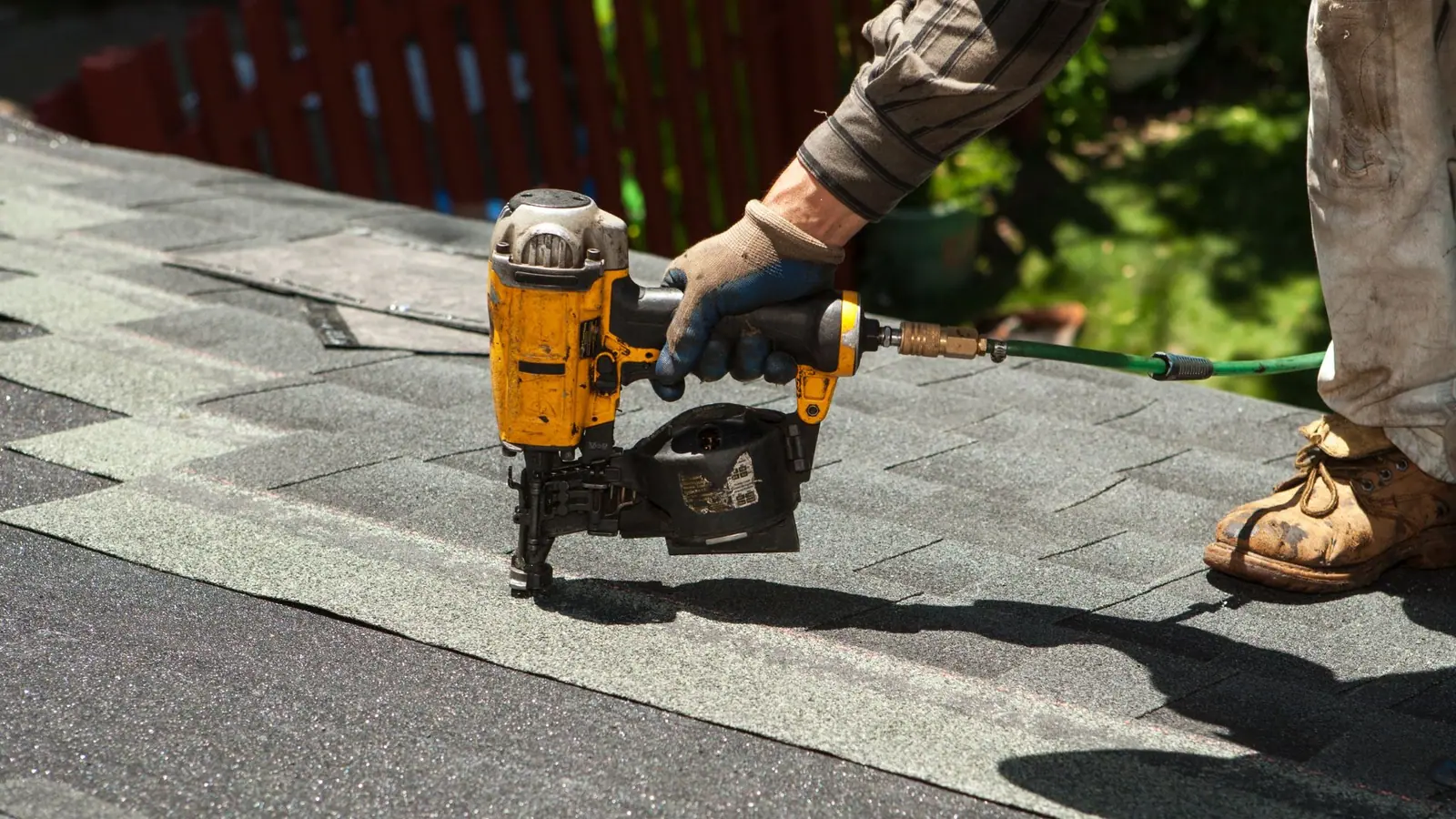
Understanding Standing Seam Metal Roofing
Standing seam metal roofing is a premium roofing system defined by its raised seams — typically 1 to 2.5 inches high — that interlock adjacent metal panels without any exposed screws or nails penetrating the surface. This concealed fastener design is the hallmark of the system and the primary reason it dramatically outperforms other roofing types in moisture resistance and wind uplift performance.
The panels themselves are most commonly fabricated from Galvalume steel, aluminum, zinc, or copper. Each material carries different characteristics: aluminum is lightweight and highly corrosion-resistant, making it ideal for coastal or high-humidity environments; Galvalume steel offers superior strength for larger commercial spans; copper develops a natural patina that complements the historic architecture found throughout Newton’s older neighborhoods; and zinc offers exceptional longevity, often exceeding 100 years in proper conditions.
Read moreShow less
Historically, metal roofing was commonplace on New England structures in the 18th and 19th centuries, particularly on civic buildings, churches, and large estates. As asphalt shingles became the dominant residential choice through the mid-20th century, metal roofing receded to primarily commercial applications. However, over the past two decades, advances in manufacturing, panel profiles, and factory-applied coatings have brought standing seam metal roofing back to the forefront of residential construction and renovation.
In Newton specifically, the resurgence of standing seam metal roofing aligns well with the city’s architectural heritage. Neighborhoods like Chestnut Hill and Newton Centre feature large, steeply pitched homes where standing seam panels complement Mansard, Gambrel, and Colonial Revival rooflines aesthetically and functionally. The system’s ability to shed snow efficiently — critical given that Newton averages over 50 inches of snowfall per year — makes it a particularly practical upgrade for property owners tired of recurring shingle failures, ice dam damage, and flat-roof leaks.
Standing seam metal roofs are applicable across building types: single-family homes, multi-family properties, commercial office buildings, religious institutions, schools, and mixed-use developments. Newton’s diverse building stock — from 1880s Queen Anne residences in Newton Highlands to mid-century commercial buildings along Route 9 — means this roofing system serves a wide cross-section of the community.
Why Standing Seam Metal Roofing Is Needed in Newton, MA
Nor’easter Storm Damage
Newton sits squarely within the nor’easter corridor that periodically hammers eastern Massachusetts with sustained winds exceeding 60 mph and snowfall accumulations of 12 to 24 inches or more in a single event. The March 2018 nor’easter series — four storms in three weeks — caused widespread roofing failures across Middlesex County, including Newton, stripping shingles from hundreds of homes and exposing structural decking to water infiltration. Standing seam panels, by contrast, are tested and rated for wind uplift resistance exceeding 140 mph and can handle snow loads well above the 40 lbs per square foot ground snow load requirement specified for Newton’s climate zone under the Massachusetts State Building Code (780 CMR).
Freeze-Thaw Cycling and Ice Dam Formation
Newton experiences an average of 90+ freeze-thaw cycles annually. As temperatures oscillate around the 32°F threshold — particularly in January and February when daily highs may reach 38°F but nights drop to 18°F — moisture trapped beneath or within traditional roofing materials expands and contracts repeatedly. This mechanical stress degrades asphalt shingles and accelerates granule loss. More critically, it drives ice dam formation along roof eaves, especially on the north-facing slopes common in Newton Highlands and Newtonville. Ice dams cause water to back up beneath shingles, infiltrating into attic spaces and ceiling assemblies. The slick, low-friction surface of standing seam metal panels combined with proper attic insulation and ventilation virtually eliminates ice dam formation.
Urban Heat Island Effects Along Route 9 and Commonwealth Avenue Corridors
Newton’s denser commercial and mixed-use zones along Route 9 and Commonwealth Avenue experience measurable urban heat island effects, with summer rooftop surface temperatures on dark asphalt shingles reaching 150°F to 165°F. These extreme temperatures accelerate shingle degradation, off-gas volatile compounds from bitumen binders, and increase cooling loads on buildings. Standing seam metal roofs with factory-applied PVDF coatings in Energy Star-rated colors reflect 25–40% more solar radiation than standard asphalt, reducing rooftop temperatures by 50–70°F and cutting air conditioning costs by an estimated 10–15% annually in Greater Boston’s climate.
Age of Housing Stock in Newton’s Historic Neighborhoods
A significant portion of Newton’s residential building stock was constructed between 1880 and 1950. Neighborhoods like Chestnut Hill, Newton Corner, and West Newton feature Victorian, Colonial Revival, and Craftsman-era homes whose original roofing systems have been replaced multiple times with asphalt shingles. Each re-roofing cycle adds weight to aging structural rafters, and many of these homes are now approaching maximum allowable dead load thresholds. Aluminum standing seam panels weigh approximately 1 to 1.5 lbs per square foot — roughly one-third the weight of asphalt shingles — making them an ideal solution for reducing structural stress while upgrading roofing performance on historic homes.
Tree Canopy Proximity
Newton’s extensive urban tree canopy — one of the densest of any Massachusetts city — contributes to organic debris accumulation on rooftops year-round. Fallen branches, leaf mats, pine needles, and seed pods retain moisture against asphalt shingles, accelerating biological growth and granule degradation. The smooth, impermeable surface of standing seam metal panels sheds debris naturally with rainfall and resists moss, lichen, and algae colonization without the need for chemical treatments.
Free, no-obligation estimates
Talk to Newton Roofing Solutions
Tell us what you need and we’ll take it from there.
Signs You Need a Standing Seam Metal Roof in Newton
Structural and Moisture Warning Signs
- Water stains on interior ceilings or attic rafters, particularly after rain events or snowmelt
- Visible daylight penetrating through the roof deck when viewed from inside the attic
- Sagging or uneven roofline indicating decking deterioration or rafter stress
- Persistent ice dam formation along eaves each winter season in Newton’s north-facing slopes
- Mold or mildew odors in attic spaces suggesting chronic moisture infiltration
Exterior Surface Deterioration
- Excessive granule loss in gutters — a sign of advanced shingle oxidation
- Cracked, curling, or buckled shingles visible from ground level
- Missing shingles following nor’easter events or high-wind storms
- Widespread moss or algae coverage across the roof surface
- Rust staining, loose flashing, or deteriorated sealant around chimneys, skylights, or dormers
Age and Maintenance Escalation Indicators
- Asphalt shingle roof approaching or exceeding 20–25 years of service life
- Multiple repair invoices within a single 12-month period totaling more than 30% of replacement cost
- Roof has been overlaid (re-shingled over existing shingles) and cannot legally accept another overlay under Massachusetts code
Urgency Note: Active leaks, visible decking rot, or structural sagging require emergency attention. Call Newton Roofing Solutions immediately at (617) 249-7118 for emergency roofing services.
Our process
Our Standing Seam Metal Roof Installation Process in Newton
Newton Roofing Solutions follows a structured, detail-oriented installation process designed to deliver a watertight, code-compliant, and aesthetically appropriate standing seam metal roof — whether on a historic Victorian in Chestnut Hill or a commercial building along Washington Street.
- 01
Comprehensive Roof Assessment (1–2 Days)
Our process begins with a thorough inspection of your existing roof system, structural decking, attic ventilation, and insulation levels. We document all areas of concern, measure roof pitch and panel run lengths, and assess any historical or architectural rev
- 02
Custom Design and Material Selection (3–5 Days)
We work with you to select panel profile, width (typically 12″, 16″, or 18″), material (Galvalume, aluminum, copper, or zinc), and coating color from Energy Star-rated PVDF finish options. For homes in Newton’s local historic districts, we coordinate with the
- 03
Permitting and Scheduling (5–10 Business Days)
We obtain all required building permits through the City of Newton Inspectional Services Department. Newton’s permitting process for roofing typically takes 5–10 business days. We handle all documentation, including wind uplift compliance submittals required u
- 04
Tear-Off and Deck Preparation (1–2 Days)
Existing roofing materials are removed to the structural deck. We inspect and replace any deteriorated sheathing, reinforce rafter tails where needed, and install a self-adhering ice and water shield membrane along all eaves (minimum 24 inches past the interio
- 05
Panel Fabrication and Installation (2–5 Days Depending on Roof Size)
Panels are either pre-fabricated off-site or roll-formed on-site using a portable panel machine. Installation proceeds from eave to ridge, with panels clipped to the deck using concealed floating clips that allow thermal expansion and contraction — essential f
- 06
Final Inspection and City Sign-Off (1–2 Days)
We schedule the required final inspection with Newton’s building inspector, walk through the completed installation with the property owner, and deliver all warranty documentation and maintenance guidance.
Standing Seam Metal Roof Methods and Approaches
Snap-Lock Standing Seam Panels
The most common residential application, snap-lock panels feature a factory-formed seam that snaps together during installation without requiring a mechanical seaming tool. Ideal for residential steep-slope applications (4:12 pitch and above) common throughout Newton Highlands and West Newton. Installation is faster and cost-effective for standard residential projects.
Mechanical Lock (Double-Lock) Standing Seam Panels
Mechanically seamed panels are folded 180° using a power seaming tool, creating the highest-rated wind uplift and watertightness performance available. Required for low-slope applications (2:12 to 4:12 pitch) and commercial roofing applications along Newton’s Route 9 commercial corridor and in industrial zones near Needham Street. This method meets or exceeds FM Global and UL wind uplift standards.
Structural Standing Seam Systems
Designed to span purlins without a continuous deck substrate, structural standing seam panels are used in commercial and industrial applications where the roof structure cannot support a full plywood or OSB deck. Applicable to commercial buildings and institutional structures such as those found in Newton’s office parks and light industrial zones.
Copper and Zinc Accent Applications
For historically sensitive properties in Newton’s designated historic districts, we offer copper and zinc standing seam panels that develop natural patinas consistent with period-appropriate aesthetics. These materials are commonly specified by preservation architects working on Newton’s 19th-century institutional and residential properties.
Over-Roof (Recover) Systems
In select cases where existing metal or wood shake roofing is structurally sound, a standing seam system can be installed over the existing surface using a sub-framing system. This eliminates tear-off costs and disruption while delivering full standing seam performance. Applicability is assessed on a case-by-case basis during the initial inspection.
Standing Seam Metal Roof Cost in Newton, MA
Understanding the investment required for a standing seam metal roof helps Newton property owners make informed decisions. While standing seam represents a higher upfront cost than asphalt shingles, its 40–70+ year service life typically delivers a lower total cost of ownership over the life of the building.
Typical Price Ranges in Newton, MA
- Galvalume or Painted Steel Standing Seam: $12–$18 per square foot installed
- Aluminum Standing Seam: $14–$20 per square foot installed
- Zinc Standing Seam: $18–$28 per square foot installed
- Copper Standing Seam: $25–$40+ per square foot installed
For a typical 2,000 square foot Newton Colonial home, a Galvalume steel standing seam installation ranges from approximately $24,000 to $36,000 fully installed, including tear-off, underlayment, trim, and permits. An aluminum system on the same footprint typically runs $28,000 to $40,000.
Read moreShow less
Cost Factors Specific to Newton
- Roof Complexity: Newton’s historic homes frequently feature dormers, multiple valleys, chimneys, skylights, and varying pitches — each adding fabrication and labor time
- Structural Repairs: Decking replacement on older homes averages $3–$5 per square foot additionally
- Historic District Requirements: Material specifications required by Newton’s Historic Preservation Commission may increase material costs
- Permitting Fees: Newton building permits for roofing projects are typically $200–$600 depending on project value
- Seasonal Timing: Spring and fall installations may carry slight scheduling premiums due to high demand in the Greater Boston market
Learn more about our full roof installation services for additional pricing context. Contact us at (617) 249-7118 for a free, detailed project estimate.
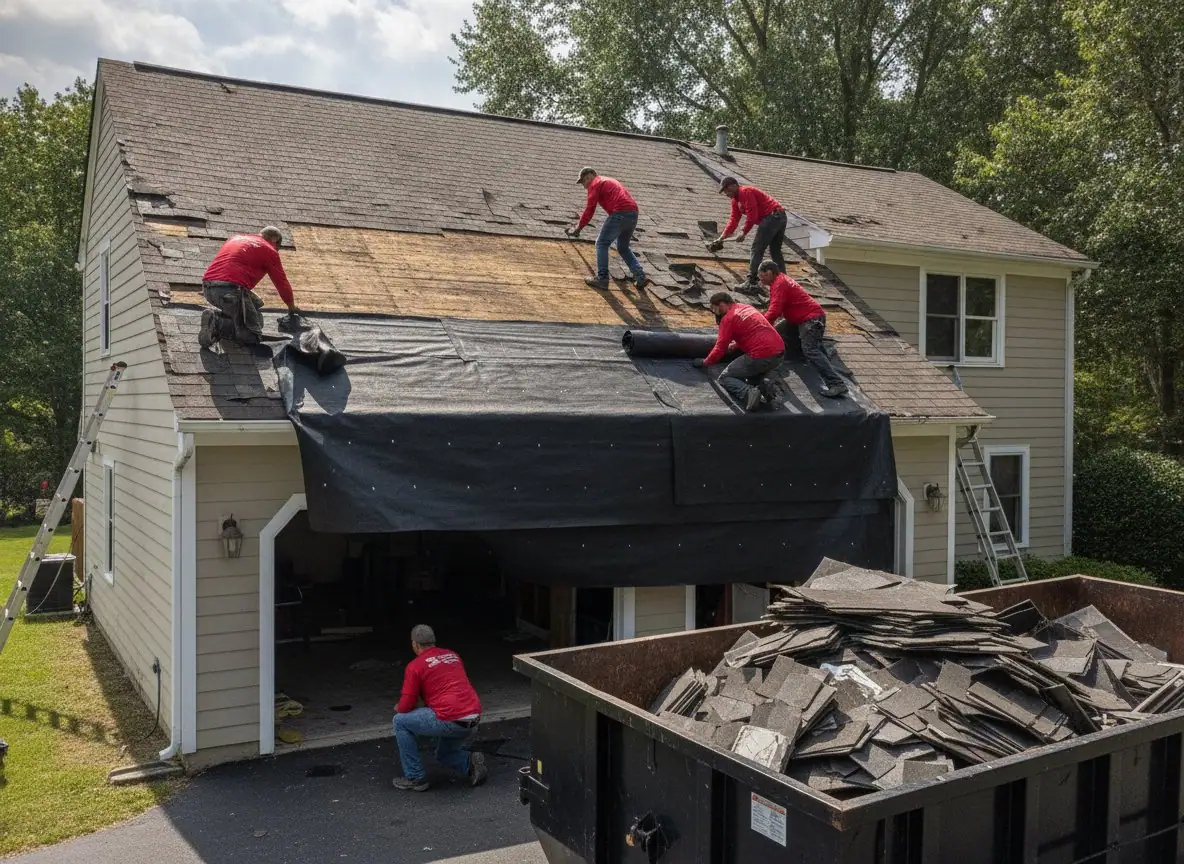
Newton Neighborhoods We Serve
Chestnut Hill
Home to some of Newton’s grandest late-Victorian and early 20th-century estates, Chestnut Hill properties frequently feature complex rooflines with steep pitches, slate accents, and ornate dormers. Standing seam copper and zinc installations are particularly well-suited to preserving the historic character of these properties while providing modern waterproofing performance.
Newton Centre
Newton Centre’s mix of Colonial Revival homes and early 20th-century commercial buildings along Centre Street presents diverse roofing needs. Many residential properties here feature Gambrel and hip roof configurations where standing seam panels transition cleanly across complex geometry.
Newtonville
Newtonville’s dense residential streets include many three-decker and multi-family buildings from the 1900–1930 era. These properties benefit significantly from standing seam metal roofing’s superior wind resistance, as their flat or low-slope roof sections are particularly vulnerable to nor’easter damage and chronic ice dam formation.
West Newton
West Newton’s Craftsman bungalows and mid-century colonials represent a roofing profile well-suited to painted Galvalume standing seam systems in earth-tone PVDF finishes. The neighborhood’s mature tree canopy makes the debris-shedding properties of metal roofing especially valuable.
Newton Highlands
Newton Highlands features north-facing slopes that are among the most ice-dam-prone surfaces in the city. Standing seam metal roofing, combined with proper attic air sealing and insulation upgrades, resolves chronic ice dam problems that have plagued many homes in this neighborhood for decades.
Standing Seam Metal Roof Maintenance Tips for Newton Homeowners
While standing seam metal roofs are among the lowest-maintenance roofing systems available, Newton’s climate conditions make periodic attention valuable in maximizing service life.
- Biannual Inspections: Schedule professional inspections each spring (after nor’easter season) and fall (before winter) to check seam integrity, flashing sealants, and panel condition.
- Clear Debris After Storms: Newton’s dense tree canopy deposits significant leaf and branch debris. Clear accumulated organic material from valleys and gutters after major storms to prevent moisture retention.
- Inspect Penetration Flashings: Chimney, skylight, and pipe flashings are the most common leak points on any roof. Check sealant condition annually, particularly after temperature extremes.
- Keep Gutters Clean: Clogged gutters can force ice dam formation even on metal roofs. Clean gutters in late November before the first significant snowfall.
- Avoid Walking on Panels: While metal roofing is durable, foot traffic can dent panels or damage seam geometry. Use designated walk pads if roof access is necessary.
- Monitor Galvanic Corrosion Points: Ensure no dissimilar metals (copper, aluminum, steel) come into direct contact at flashing transitions — particularly relevant in Newton’s older homes with mixed metal components.
- Touch Up Scratches Promptly: Small surface scratches in PVDF coatings should be touched up with manufacturer-supplied paint within one season to prevent rust initiation on steel substrates.
Explore our comprehensive roof maintenance programs available throughout Newton and Greater Boston.
Why Choose Newton Roofing Solutions
Newton Roofing Solutions is a locally rooted roofing contractor with deep knowledge of Newton’s architectural landscape, municipal permitting processes, and New England climate demands. We are not a national franchise — we are a Greater Boston team that lives and works in the same communities we serve.
Our standing seam metal roofing specialists have direct experience navigating Newton’s Historic Preservation Commission requirements, coordinating with the City of Newton Inspectional Services Department, and designing roofing solutions appropriate for everything from a 19th-century Chestnut Hill estate to a modern Route 9 commercial property.
We offer comprehensive roofing services beyond standing seam installation, including roof repair, roof inspection, emergency roofing response, and commercial roofing solutions across Newton and surrounding communities including Boston, Brookline, Cambridge, Wellesley, and Lexington.
Read moreShow less
Every standing seam installation is completed to manufacturer specifications to preserve material warranty eligibility. We carry full liability insurance and workers’ compensation coverage for all projects in Massachusetts.
Ready to invest in a roof built to last for decades? Call (617) 249-7118 today.
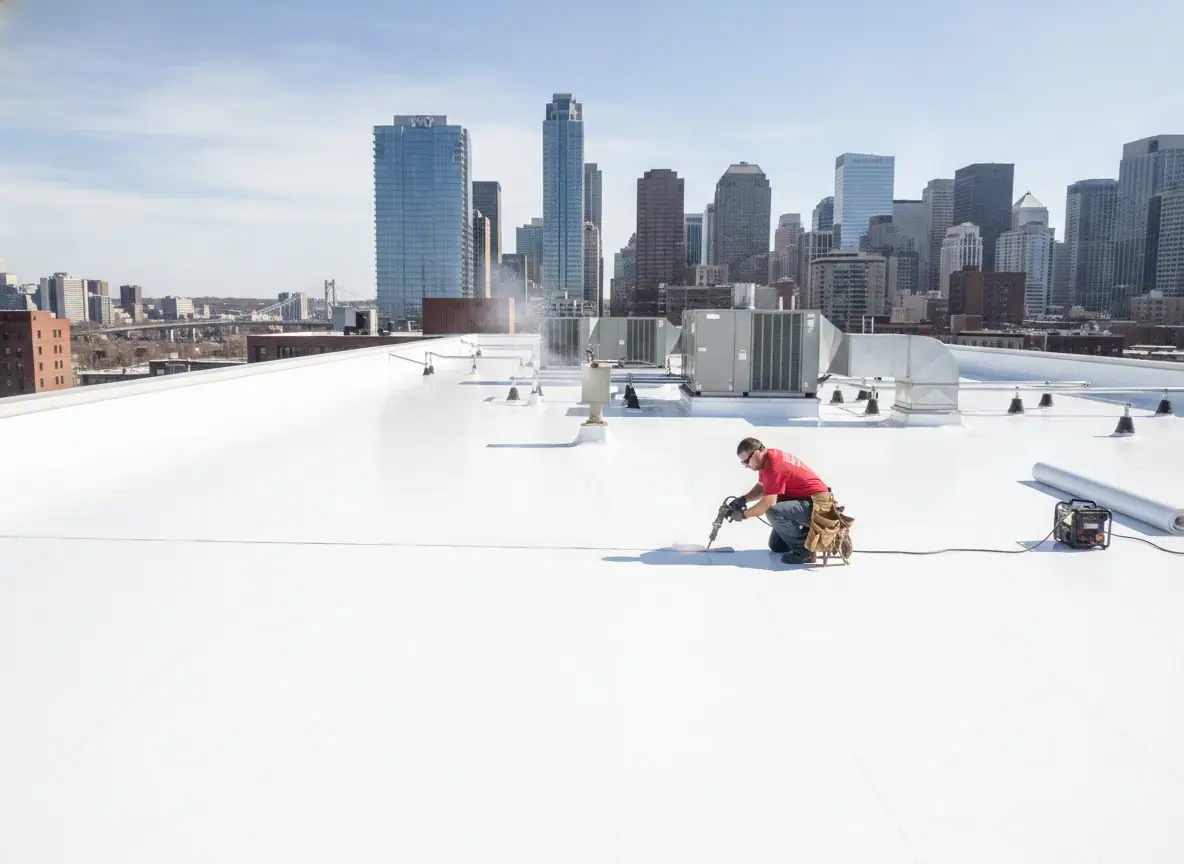
FAQ
Frequently Asked Questions: Standing Seam Metal Roof in Newton, MA
How much does a standing seam metal roof cost in Newton, MA?
In Newton, installed costs for standing seam metal roofing typically range from $12 to $40+ per square foot depending on material selection. For an average 2,000 sq ft Newton home, total installed cost ranges from approximately $24,000 to $40,000 for steel or aluminum systems. Copper and zinc systems on complex historic homes can exceed $60,000–$80,000. Learn more about roof replacement costs in Newton.
How long does a standing seam metal roof last in New England’s climate?
With proper installation and minimal maintenance, Galvalume and aluminum standing seam roofs typically last 40–60 years in Newton’s climate. Zinc and copper systems can exceed 100 years. All of these lifespans far exceed the 15–25 year service life of asphalt shingles under New England’s freeze-thaw and storm conditions.
Is a building permit required for standing seam metal roof installation in Newton?
Yes. The City of Newton requires a building permit for all roofing replacements, including standing seam metal roof installations. Newton Roofing Solutions manages the complete permitting process through Newton’s Inspectional Services Department as part of every project.
Will a standing seam metal roof solve my ice dam problem in Newton Highlands or Newtonville?
Standing seam metal roofing significantly reduces ice dam formation due to its smooth, low-friction surface. However, for permanent elimination of ice dams, the roofing upgrade should be paired with improved attic air sealing and insulation to reduce heat loss through the roof deck. We assess attic conditions as part of our pre-installation inspection and can coordinate with insulation contractors.
Can I install a standing seam metal roof on my historic home in Chestnut Hill without violating preservation guidelines?
It depends on whether your property is within a Newton-designated local historic district. For properties under Newton Historical Commission jurisdiction, certain material types (particularly painted steel in non-period colors) may require review. Copper and zinc standing seam panels are generally approved as historically compatible materials. We assist property owners in navigating Newton’s historic review process.
How long does standing seam metal roof installation take in Newton?
For a typical Newton single-family home (1,500–3,000 sq ft roof area), installation takes 3–7 business days from start to final walkthrough, following the permitting period of 5–10 business days. Complex historic homes with multiple dormers, chimneys, and varying pitches may require 8–12 installation days.
Is standing seam metal roofing noisy during rain or hail in Newton?
When installed over a solid plywood or OSB deck with underlayment — which is standard practice for Newton residential installations — standing seam metal roofs produce no more interior noise during rain events than asphalt shingles. The solid substrate absorbs sound effectively. Hail impact noise can be slightly more noticeable than with asphalt but is not a practical concern for most homeowners.
Do you offer standing seam metal roofing for commercial buildings along Route 9 in Newton?
Yes. Newton Roofing Solutions installs mechanically seamed and structural standing seam systems on commercial properties throughout Newton, including the Route 9 corridor, Needham Street commercial zone, and Washington Street. Explore our commercial roofing services for more information.
Get Your Free Standing Seam Metal Roof Estimate in Newton, MA
Newton’s climate is demanding — your roof shouldn’t be a liability. Whether you’re dealing with chronic ice dams in Newton Highlands, storm damage in Newtonville, or simply ready to invest in a roof built to outlast the house itself, Newton Roofing Solutions is ready to help.
Our team provides no-obligation, on-site estimates with detailed material specifications, timeline projections, and transparent pricing. We serve Newton and all surrounding communities including Boston, Brookline, Cambridge, Wellesley, Lexington, Needham, Waltham, and beyond.
Call us today at (617) 249-7118 to schedule your consultation. You can also contact us online to request an appointment at your convenience. Let Newton Roofing Solutions protect your property with a standing seam metal roof built for New England.
Get in touch
Find roofing help near you
Request a free estimate online or give us a call — our team will follow up quickly.
- Call us(617) 249-7118
- Visit564 Commonwealth Ave, Newton Centre, MA 02459
- HoursMon-Sun: 7:00 am – 7:00 pm